Real applications, built by the pipeline.
Every app below went through the same pipeline you would use — no hand-editing after delivery. Click through for the idea, the screenshots, and a working link.
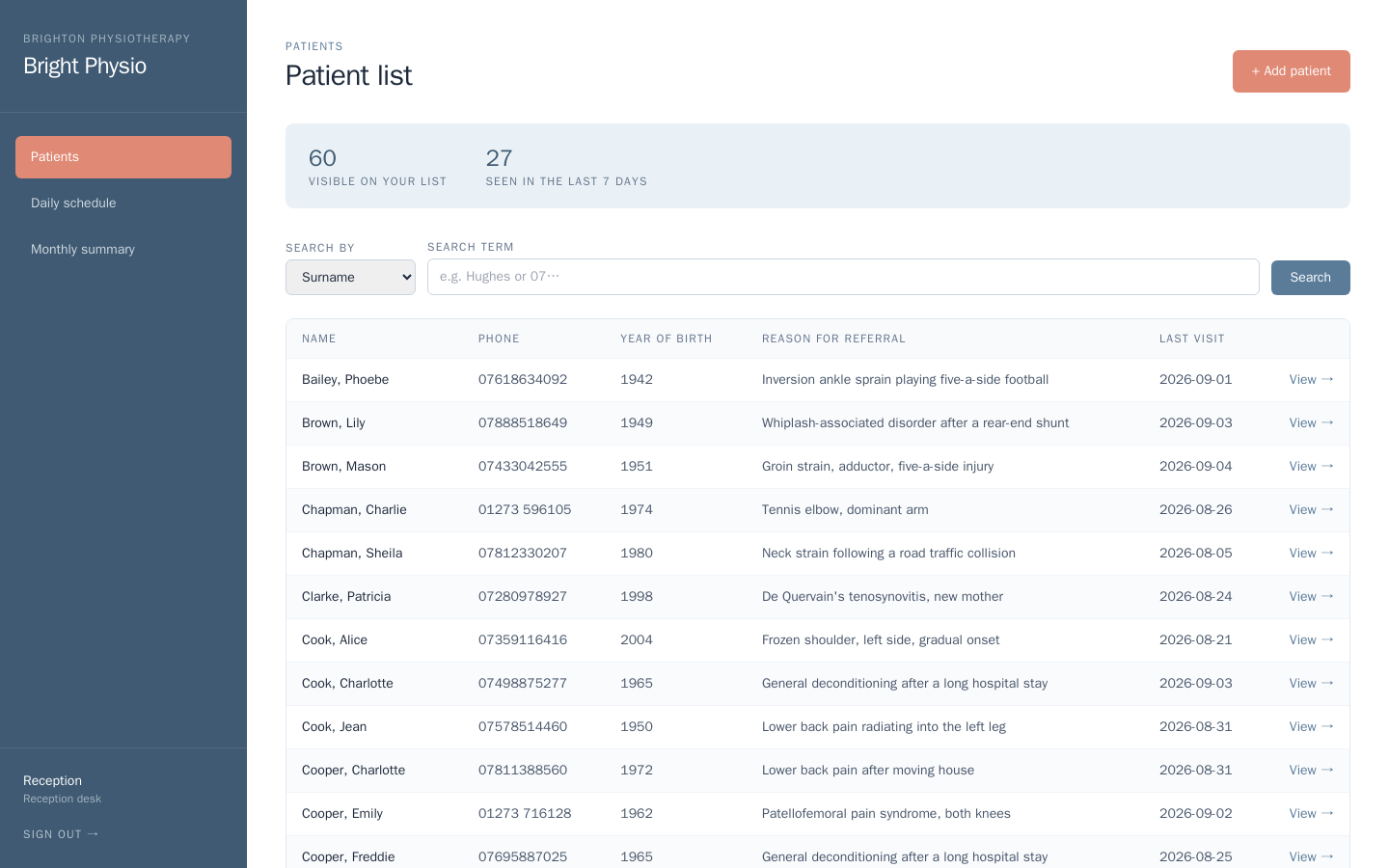
PhysioDesk
A patient record system for a two-therapist physiotherapy practice: who came in, what was done to them, and who is booked today. Built to replace a paper diary and a spreadsheet at a front desk in Brighton. The patient list shows at a glance when each person was last seen. Opening a record gives the full visit history — the therapist's notes and the home exercises they set, each entry stamped if it was later amended. The day's schedule takes attendance in one click while the patient is still standing at the desk, and the monthly summary splits the work between the two therapists. Three fixed staff logins and nothing patient-facing at all: no online booking, no sign-up, no patient ever logs in.
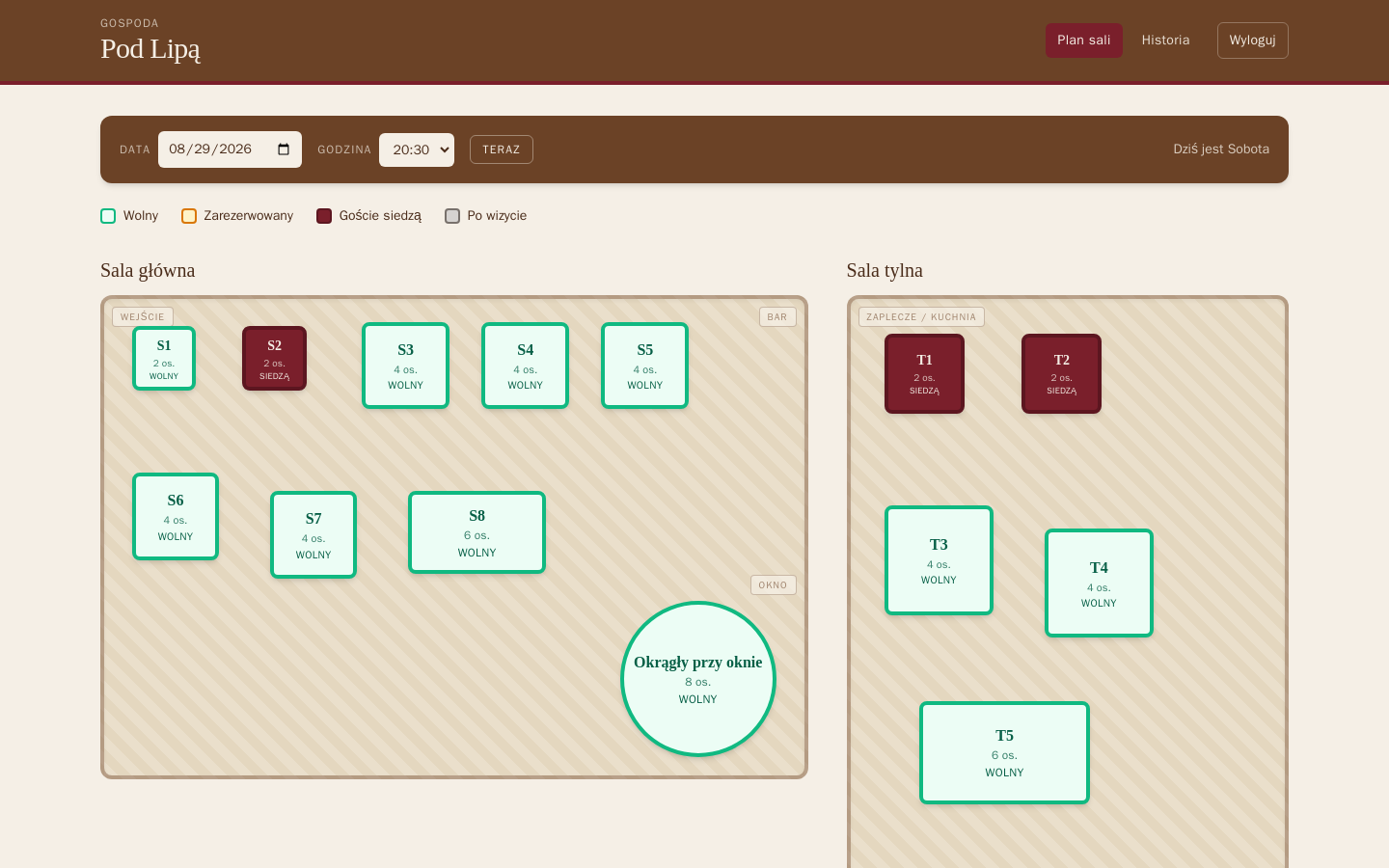
Sala
A reservation board for a fourteen-table restaurant, where the main screen is the room itself rather than a list. Both dining rooms are drawn to their real layout — tables shaped and sized by how many they seat, from two-person squares to the round eight at the window — each coloured by what is happening at the hour you pick. Clashes and overfilled tables are refused out loud rather than silently, and a headcount by the hour shows where the evening peaks. Staff only, one shared password, in oak, cream and burgundy.
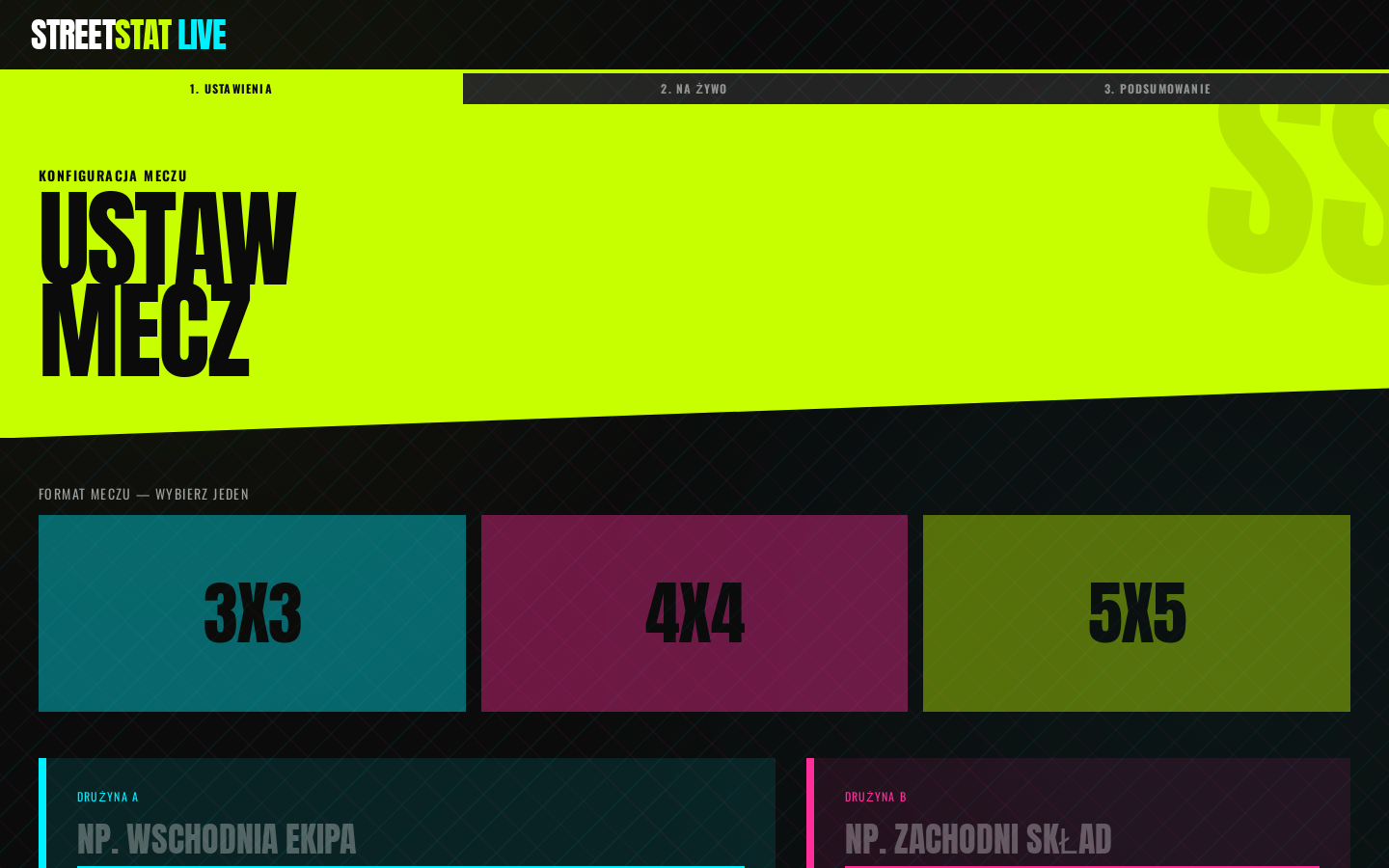
Blacktop
A courtside scorekeeper for street basketball, run from one phone by whoever is sitting out. Set the format, the clock and the rosters, then tap points, rebounds, blocks, assists and fouls straight onto each player while the team score moves with them. Undo on every action, and a shareable summary image at full time. Everything stays on the device — no sign-up, no accounts.
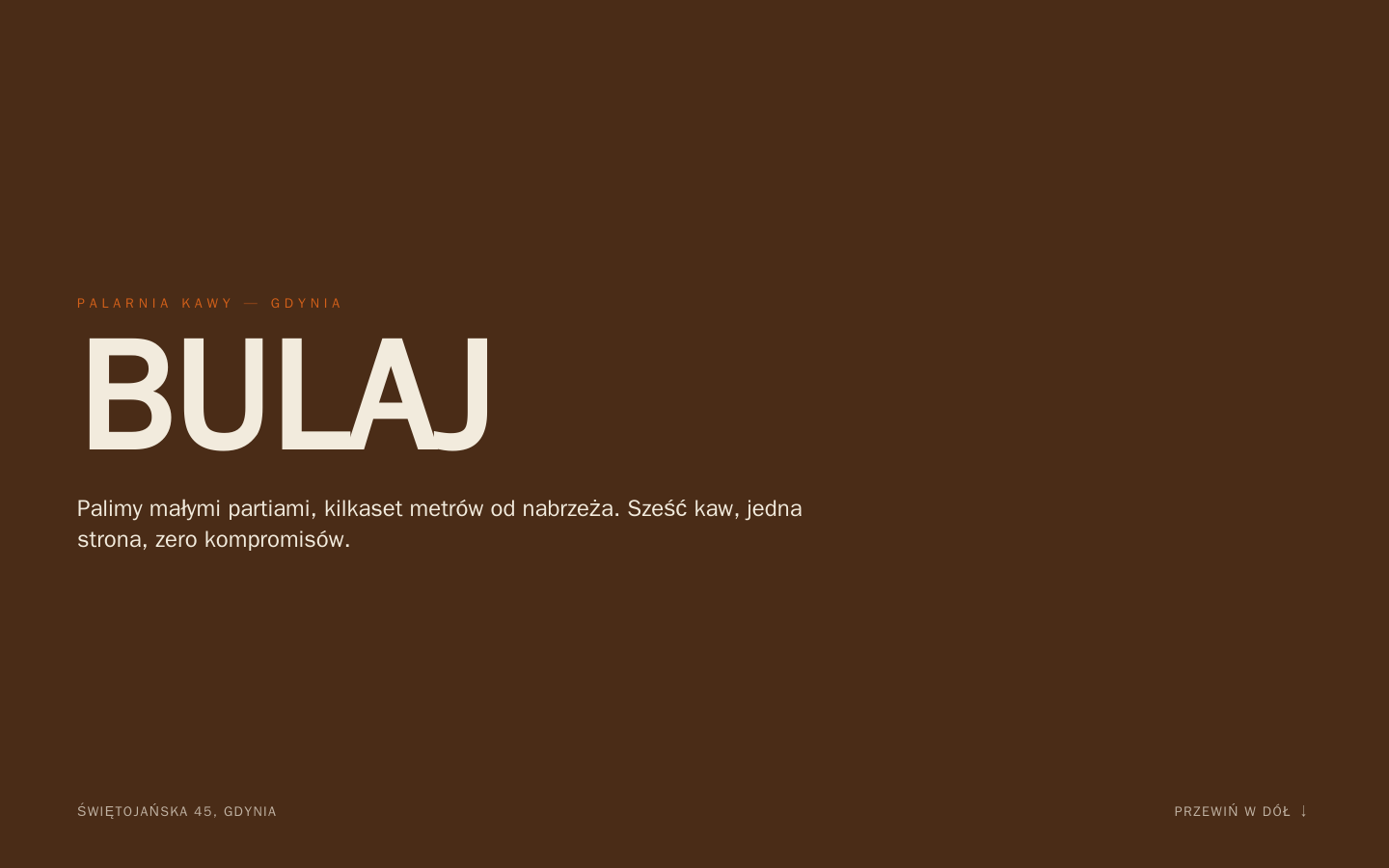
BULAJ
A single-page site for a Gdynia coffee roastery. Six coffees, six full-screen colour bands you scroll through, each with origin, altitude, process, roast and three tasting notes set as three large words. A full-bleed subscription enquiry form writes to the database behind a mandatory consent checkbox, and the submissions live behind their own unlinked, password-protected screen so the public page never shows a login.
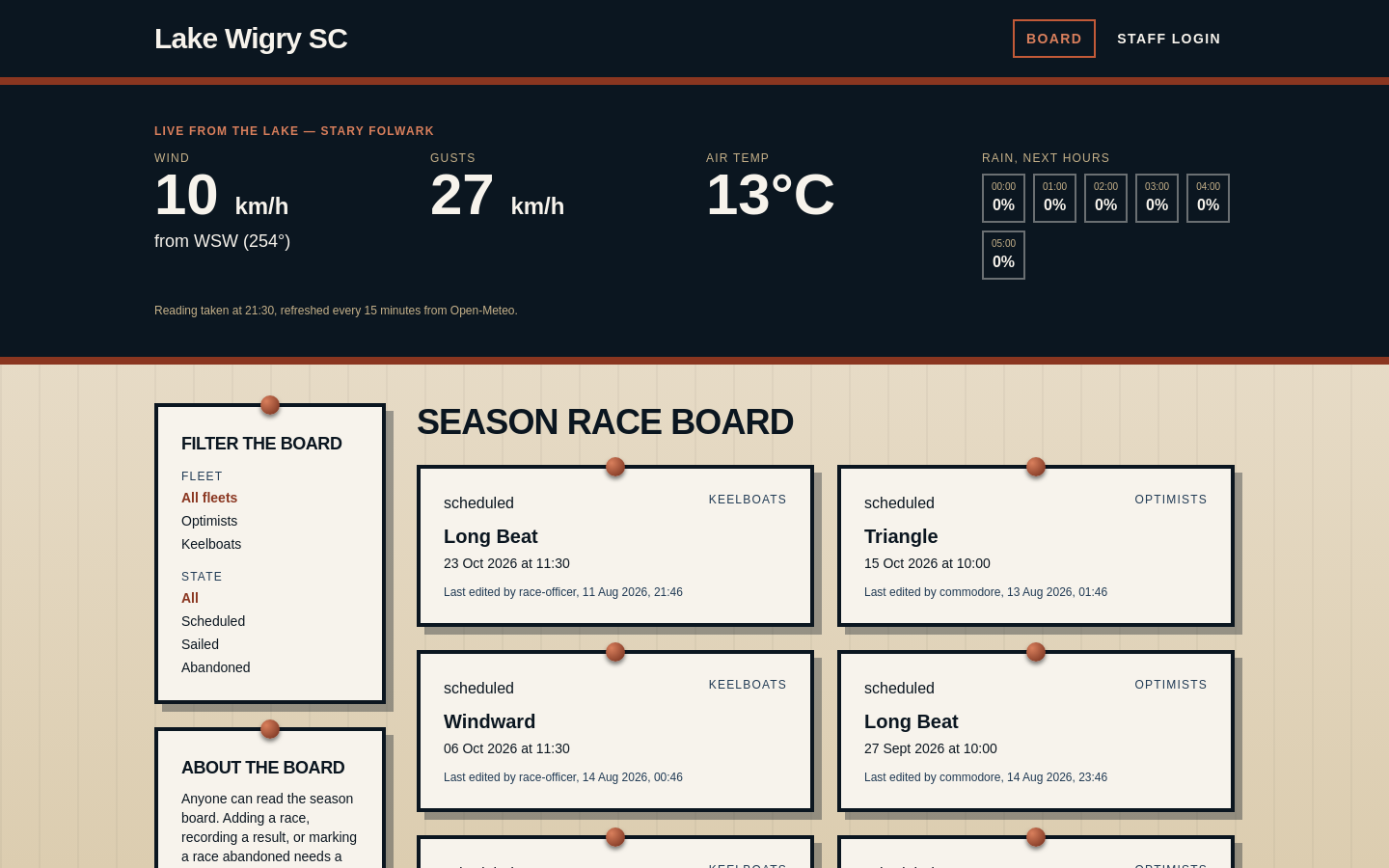
Wigry Line
A conditions board for a sailing club — wind, water and what is happening on the lake today, readable from a phone on the pontoon. Public, no login, and deliberately built to be glanced at rather than browsed: navy and timber, oversized type, the answer above the fold.
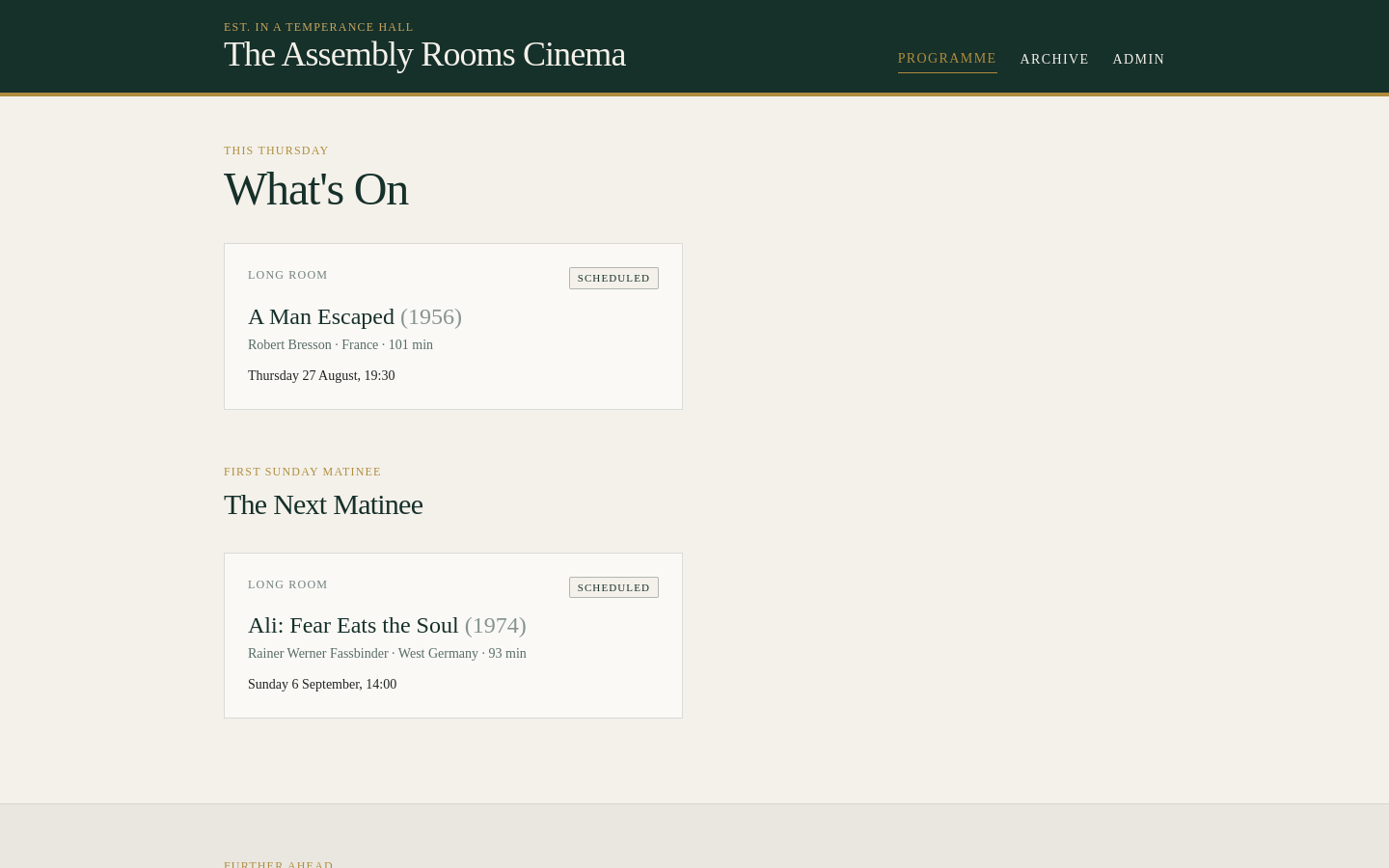
The Temperance Programme
A programme for a repertory cinema: what is showing, when, and what is coming. Screenings, films and seasons kept in step so the front page always answers the question people actually ring up to ask. Set in serif on paper tones, closer to a printed programme than to a booking system.
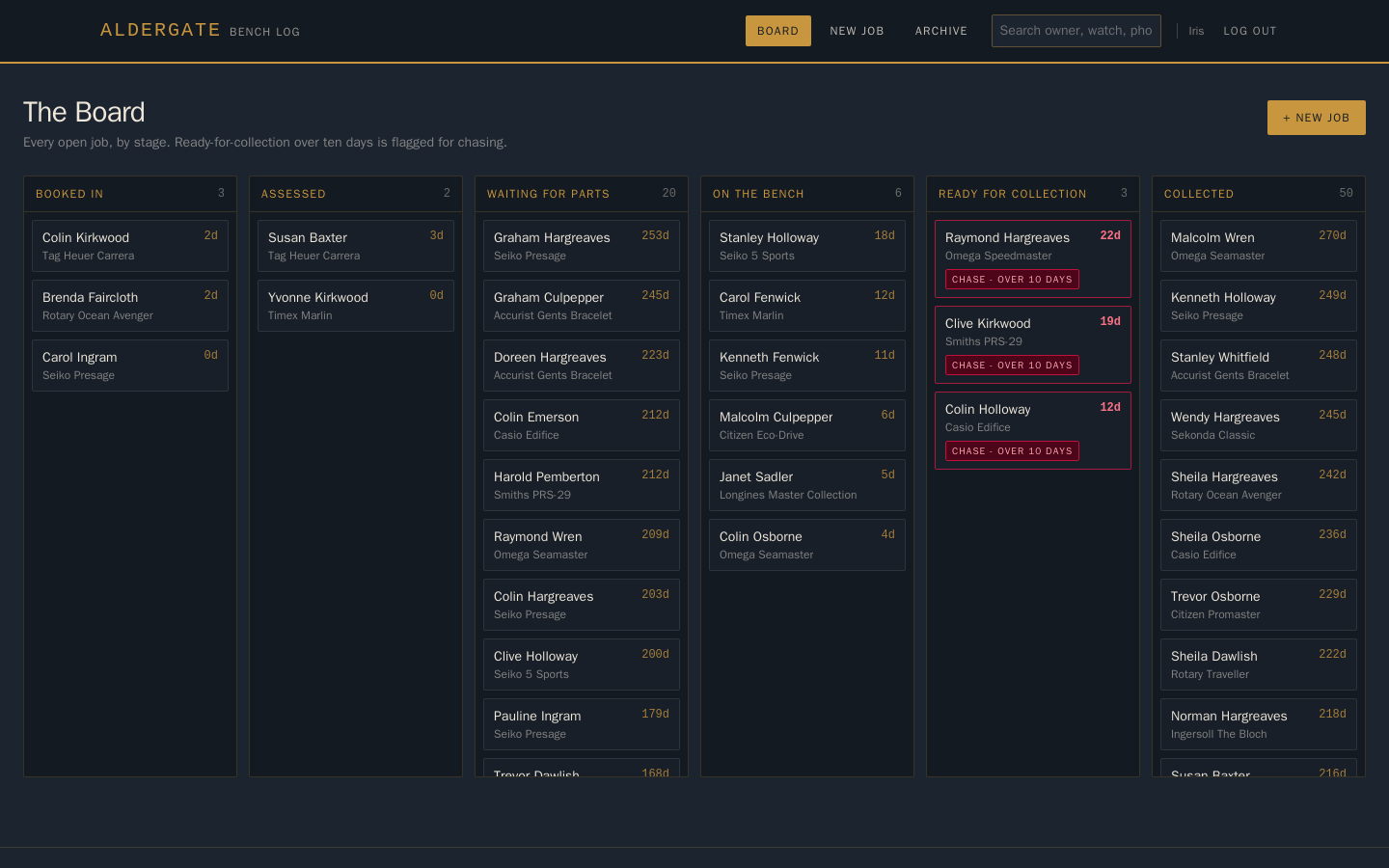
Bench Log
A workshop register for a two-person watch repair shop. Every watch on the bench, what stage it is at, which parts are on order and who is waiting for it — the paper job-card replaced by something searchable. Behind a login, staff only, in charcoal, brass and parchment with monospaced numbers.
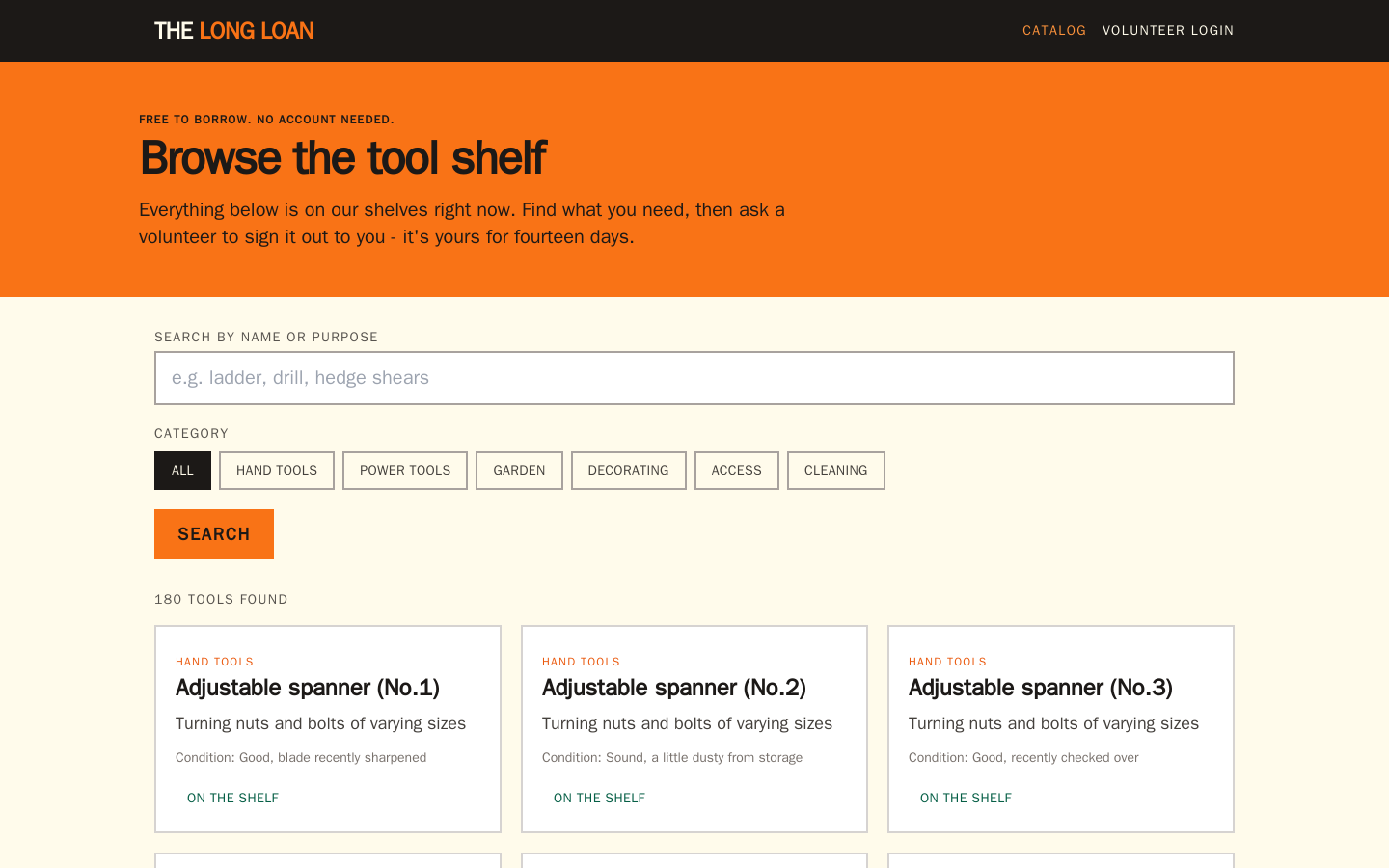
The Long Loan
A lending library for a tool-share, tracking who has what and when it is due back. Built around a catalogue of two hundred-odd tools across six categories, with borrower records, loan history and overdue visibility — an ordinary register done properly, in warm amber and stone rather than the usual grey.